Character Turnaround & Model Sheet Reference
Character Turnaround & Model Sheet Reference is a professional animation reference guide for analyzing real-world biomechanics, timing arcs, and key poses. Character turnarounds (360° turntables and model sheets) are essential to maintain volume, consistent proportions, and spatial accuracy across dynamic camera angles and complex action scenes.
Study Character Turnaround & Model Sheet Reference Clips
Click any clip to scrub frame by frame, loop contact phases, inspect balance arcs, and analyze organic timing.
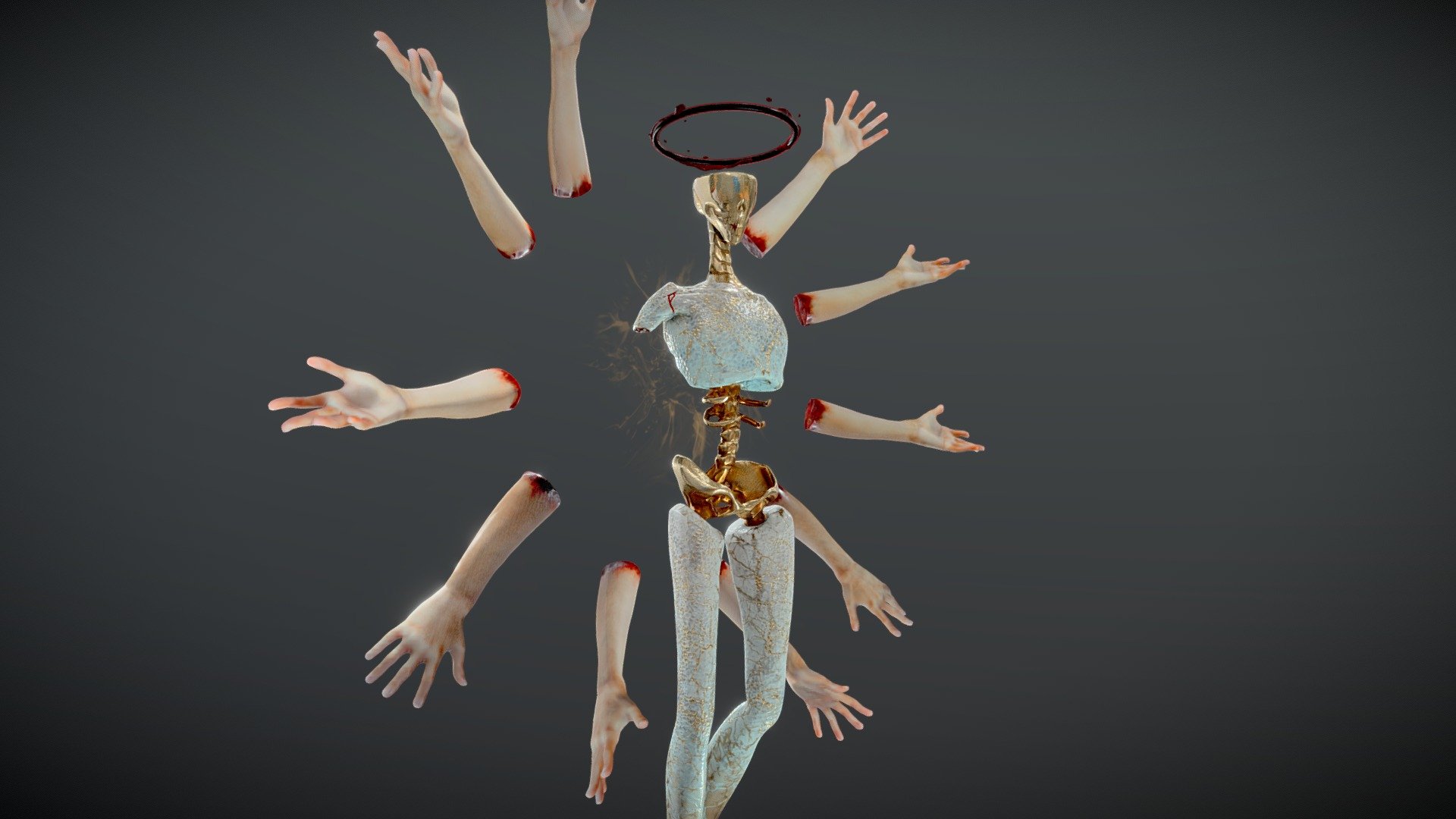
Angel

The Green Cloak — Visdev study — Sheet 8

Daily 4

One Piece: Background Animation & Debris FX (#0870 - Rotation)

Mecha: Debris FX & VFX & Effects (#01 (BD) - Rotation)

Akira: Background Animation & VFX & Effects (Cut #291237 - Rotation)

One Piece: Background Animation & Character Acting (#0972 (BD) - Rotation)

One Piece: Background Animation & Character Acting (#1127 - Rotation)

Rotation: Background Animation & Debris FX (OPv1 - Shin Samurai-Den Yaiba)

Rotation: Background Animation & Debris FX (Cut #265457 - Yoshinori Kanada)

One Piece: Background Animation & Debris FX (#1101 - Rotation)

Michel Sugimoto: Creature Animation & Debris FX (#88 (BD) (S4 #29) (CAD: Tomohiro Kishi) - Rotation)
Anatomical & Kinetic Breakdown
Master the Core Mechanics
Orthographic Views & Volume Preservation
Compare Front, 3/4 Front, Profile (Side), 3/4 Back, and Back views. Watch how landmark features—such as eye lines, belt height, and knee joints—stay aligned across rotation.
3D Turntables vs. 2D Model Sheets
Interactive 3D turntables allow you to inspect silhouette clarity and form from any arbitrary perspective. Use them in tandem with 2D construction sheets to understand depth and foreshortening.
24 FPS Frame Timing & Cadence
At standard 24 frames per second cinematic cadence, two complete steps take exactly 24 frames (12 frames per single stride). Fast brisk walks tighten to 16-18 frames, while a heavy character or leisurely stroll extends to 28-32 frames. Ensure the contact frame occurs on frames 1 and 13, down impact on frames 4 and 16, passing pose on frames 7 and 19, and the apex up position on frames 10 and 22. Deviating slightly in spacing rather than timing prevents mechanical rigidity while maintaining clear rhythmic tempo.
Common Animator Pitfalls to Avoid
Avoid linear translation curves on the root bone in 3D rigs; human hips decelerate as they rise toward the up pose and accelerate into the down pose. In 2D hand-drawn animation, ensure that the foot roll stays planted without phantom slipping on the contact frames. Always trace the heel and toe arcs: the foot should lift with a smooth parabolic trajectory rather than snapping abruptly into the passing phase.
How to Study This Reference Like a Pro
Step frame by frame and pinpoint the exact contact and reversal frames. Trace the pelvis and spine line of action first before keying the limbs. Exaggerate the arcs and preserve volume.
Study Related Reference Tags
Jump into dedicated tag feeds with thousands of community, studio, and production references.
Related Animation Guides
Frequently Asked Questions
Q.What is the purpose of a character turnaround?
A turnaround provides an accurate reference of a character from all angles, ensuring animators and 3D modelers maintain consistent proportions, anatomy, and costume details throughout production.
Q.How many angles are typically in a 2D model sheet?
Standard turnaround sheets feature 5 key angles: Front, 3/4 Front, Profile, 3/4 Back, and Full Back.
Q.How should an animator study Character Turnaround & Model Sheet Reference frame by frame?
Step through the footage using arrow keys to pinpoint contact and reversal frames. Map out the line of action and pelvis trajectory first before keyframing limb details, and test your timing with side-by-side playblast comparison.