Human Walk Cycle Animation Reference
Human locomotion is defined by subtle weight distribution, pelvic tilt, spine counter-rotation, and rhythmic contact beats. Compare real-life human strides with 2D/3D animated breakdowns to animate grounded, natural steps.

Walk Reference - Casual – Slow Motion | Female Dancer | Body Mechanics for Animation
By Studio Reference
Study Human Walk Cycle Animation Reference Clips
Click any clip to scrub frame by frame, loop contact phases, inspect balance arcs, and analyze organic timing.
Walk Reference - Casual – Slow Motion | Female Dancer | Body Mechanics for Animation
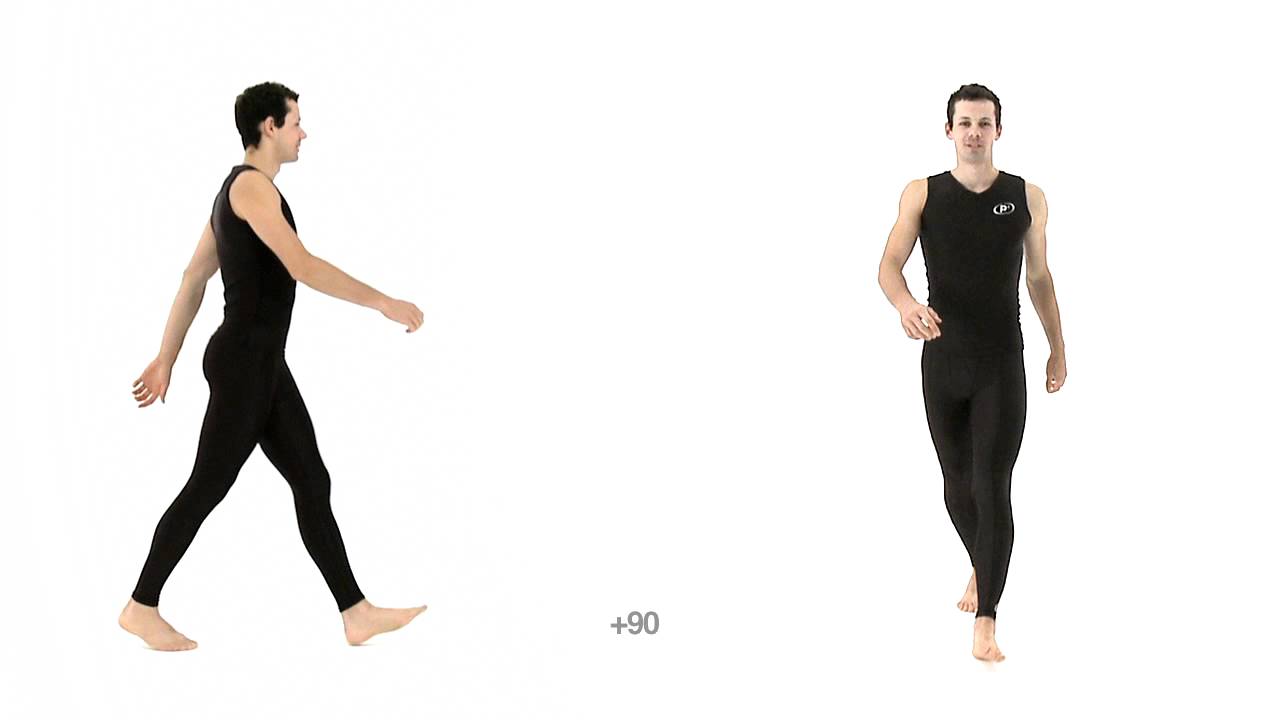
Male Walk Cycle Animation Reference | Front & Side Views & Realtime playback speed
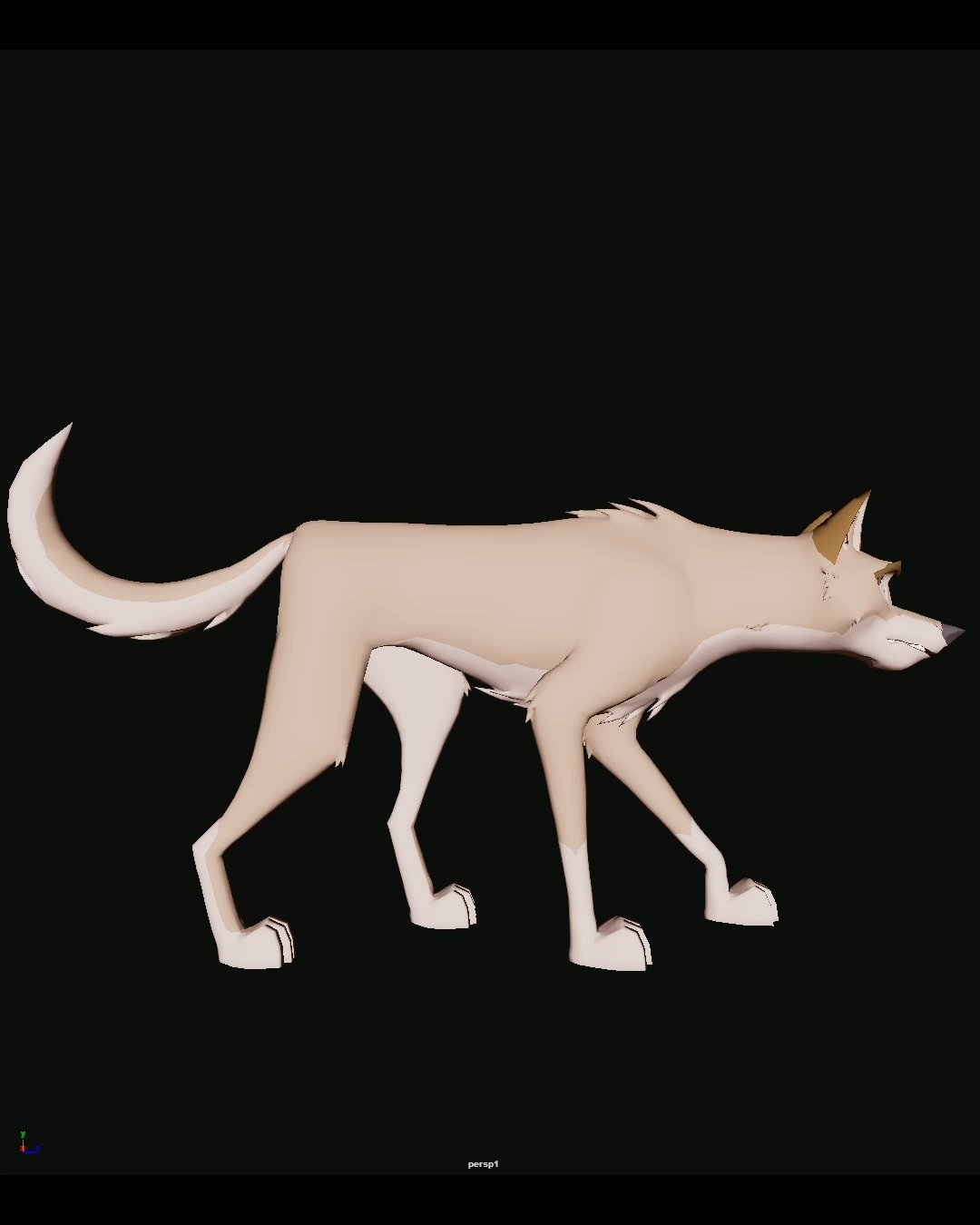
walk cycle

Keisuke Kobayashi: Character Acting & Running Locomotion (#05 - Walk Cycle)

Hayate Nakamura: Character Acting & Running Locomotion (#01 - Walk Cycle)

Norio Matsumoto: Running Locomotion (#12 - Walk Cycle)

Kou Yoshinari: Running Locomotion (#25 - Walk Cycle)

Hiroyuki Okiura: Character Acting & Running Locomotion (BD (JP) - Walk Cycle)

Ashita No Nadja: VFX & Effects & Running Locomotion (NCOP - Walk Cycle)

Keisuke Kobayashi: Character Acting & Running Locomotion (#03 - Walk Cycle)

Masami Mori: Character Acting & Running Locomotion (#03 - Walk Cycle)

Animal Locomotion I, Plate 27 - Nude Man Walking and Carrying a 75 lb stone on h
Anatomical & Kinetic Breakdown
Master the Core Mechanics
The 4 Essential Gait Poses
Break down your walk into Contact (both feet touching, heel strike), Down (impact absorption, knees flexed), Passing (one foot carries entire body weight), and Up (heel lifts, pelvis reaches highest elevation). Observe how real human weight shifts forward before the foot leaves the ground.
Male vs. Female & Emotional Gaits
Notice the differences in center of gravity: hip sway vs. shoulder drive. A confident stride pushes chest-forward with longer stride length, while an exhausted or anxious walk compresses the torso with trailing arm swings.
How to Study This Reference Like a Pro
Step frame by frame and pinpoint the exact contact and reversal frames. Trace the pelvis and spine line of action first before keying the limbs. Exaggerate the arcs and preserve volume.
Study Related Reference Tags
Jump into dedicated tag feeds with thousands of community, studio, and production references.
Related Animation Guides
Frequently Asked Questions
Q.What is the standard frame count for a human walk cycle?
At 24 FPS, a standard realistic human walk takes 24 frames (1 full second for two steps, or 12 frames per step). Fast brisk walks take 16-20 frames, while heavy leisurely walks take 28-32 frames.
Q.How do you avoid robotic or floaty walk cycles?
Ensure the pelvis tilts and rotates in opposition to the shoulders, and make sure the down position shows clear knee bending and weight compression.